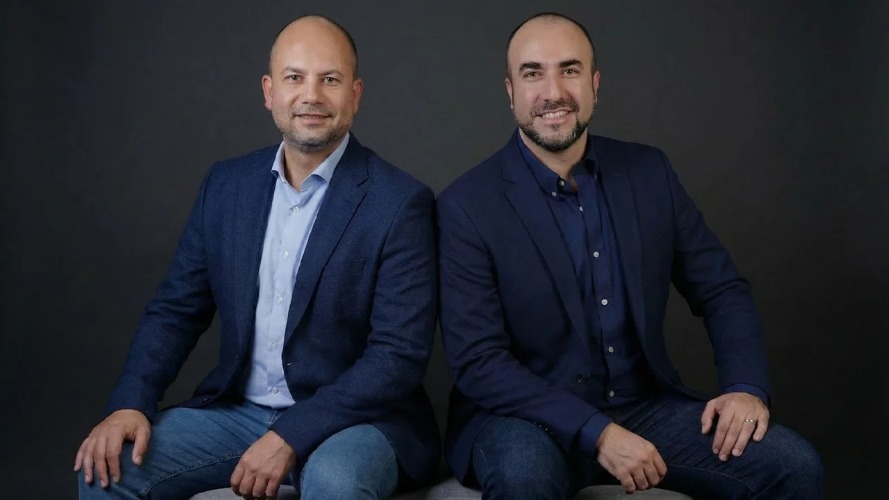
Saudi healthtech Madeed has raised $925,000 in pre-seed funding to scale a preventive health platform built around biomarker testing and personalised care. The company wants to catch disease risk before symptoms ever appear.
Saudi Arabia's healthcare system has historically been built around treating illness after it arrives. Madeed wants to change that by getting there first. The Riyadh-based healthtech startup has closed an additional pre-seed funding round from SEEDRA Ventures, Unity Investment Partners, and Seen Growth, bringing its total pre-seed capital raised to $925,000. The new investors join existing backers Vision Ventures and a group of Saudi angels who had backed the company's initial $400,000 round in January 2026.
Madeed was founded in 2025 by Dr. Adam Bataineh, who previously co-founded Span Health, a US-based preventive health platform that was acquired by Eight Sleep. That background matters because it means Bataineh has already built, scaled, and exited in this space before bringing the same thesis home to Saudi Arabia. The platform he is building with Madeed operates on a membership model that combines advanced biomarker and blood testing, physician-led interpretation, and personalised health protocols covering metabolic health, hormonal balance, cardiovascular risk, and inflammation markers. The goal is to surface disease risk signals before symptoms appear and give members an actionable plan to address them.
One of the more distinctive elements of Madeed's offering is its customised daily supplement product, designed for each member based on their individual lab results rather than general wellness guidelines. The positioning is deliberate. Most people who take supplements are doing so based on generic recommendations, marketing, or guesswork. Madeed's model replaces that with a lab-driven prescription tied to what a member's blood work actually shows. That specificity is what separates a preventive health platform from a wellness app, and it is the kind of proposition that tends to attract members who are seriously invested in long-term health outcomes rather than casual users looking for a fitness tracker.
The company completed operational testing of its platform before announcing the new raise, onboarding around 150 users during the pilot phase. Bataineh described that period as focused on ensuring efficiency, smooth operation, and the integration of services before a broader rollout. The fresh capital will go toward product development, expanding clinical and laboratory partnerships, and scaling the platform's availability across Saudi Arabia. A regional expansion beyond the Kingdom has not been ruled out, but the immediate focus is on proving the model thoroughly in the home market first.
The timing of this raise sits well within what is happening across the Saudi healthcare landscape more broadly. Vision 2030 has made healthcare transformation a national priority, with the government actively encouraging private sector participation in preventive and digital health. Chronic disease rates, particularly for diabetes, obesity, and cardiovascular conditions, remain a significant public health challenge in the Kingdom, which gives preventive detection platforms a clear and urgent use case. The Saudi digital health market is projected to grow at a compound annual rate of over 18% through 2030, and early-stage capital is beginning to follow that trajectory. Madeed's raise, modest in size but deliberate in structure, reflects a growing investor conviction that preventive healthtech built specifically for the Saudi consumer, culturally relevant, clinically grounded, and subscription-based, has a real market ahead of it.
For the broader MENA healthtech ecosystem, the momentum in Saudi Arabia is notable. The Kingdom is producing a growing cluster of early-stage health startups that are moving beyond general wellness toward clinical-grade preventive tools. Madeed sits in that emerging tier alongside a handful of other funded startups addressing diagnostics, chronic disease management, and digital health infrastructure. Whether that cluster develops into a genuine healthtech ecosystem will depend on whether companies like Madeed can convert early traction into defensible, scalable businesses. The 150-user pilot is a start. The real test begins with the public launch.