Crowdfunding has evolved well beyond Kickstarter campaigns and creative projects. With equity models growing fast and the global market approaching $21 billion, the real question is whether the companies it produces are built to last or built to launch.
Crowdfunding has a marketing problem. The word itself has become so associated with Kickstarter campaigns and social media fundraising drives that it is easy to underestimate what the mechanism is actually capable of when used seriously. The more important question is not whether crowdfunding works as a way to raise money. It clearly does. The question is whether the companies it produces are genuinely built to last, or whether the crowd is simply a faster, cheaper route to a first customer base that eventually runs out of momentum.
The global crowdfunding market reached $20.46 billion in 2025 and is on track to hit $38.71 billion by 2029. What is driving that growth is increasingly equity crowdfunding, where investors receive actual shares in a business rather than an early product delivery. That shift from reward-based to equity-based models is the most consequential structural change the industry has made, because it fundamentally changes the accountability relationship between a company and the people who backed it. When your backers are also your shareholders, the conversation about long-term viability is not optional.
The survival data is honest in a way that the industry does not always highlight. The average success rate of a crowdfunding campaign sits between 22% and 24%. Equity campaigns run closer to 20%, because the financial thresholds are higher and investor scrutiny is more intense. But closing a round is not the same as building a company. Research examining hundreds of equity-crowdfunded ventures across UK and European platforms has found that companies with genuine long-term value propositions tend to demonstrate better post-campaign performance over time. Crowdfunding does not inherently produce durable companies, but it creates conditions where durable companies can surface.
The fast-track-to-market criticism is not entirely unfair, but it conflates two different problems. Some founders use crowdfunding primarily as a marketing exercise, generating pre-orders and press coverage without the intention of building governance structures that support long-term growth. That failure mode is a founder problem, not a structural crowdfunding problem. The same dynamic plays out in VC-backed startups that raise on hype and fail to build fundamentals, just with larger sums and less public visibility into the disappointment.
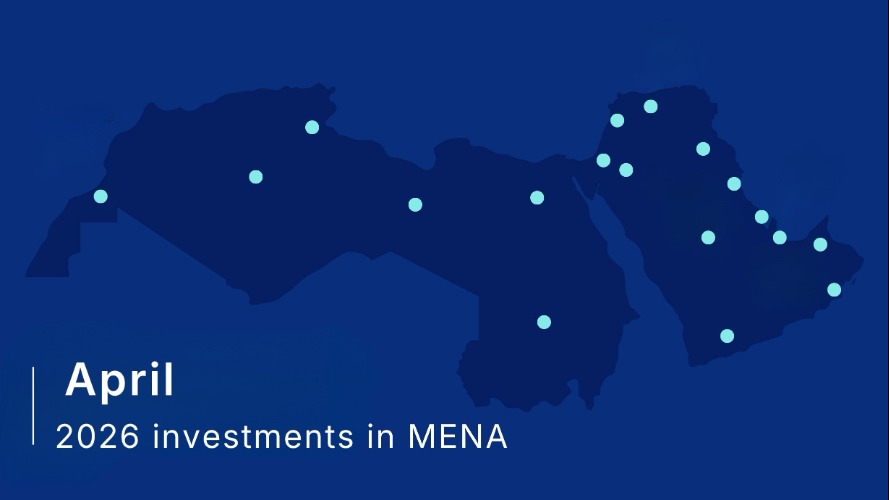
In the MENA region, the crowdfunding question carries additional layers. The UAE and Saudi Arabia have both developed regulatory frameworks for equity and debt-based crowdfunding, with platforms like Scopeer, SmartCrowd, and Beehive operating across different models. The UAE market is projected to grow at a compound annual rate of 17.5% between 2025 and 2030, driven by younger investors more comfortable with alternative investment structures. Islamic finance compatibility is also shaping how crowdfunding evolves regionally, with Sharia-compliant models gaining traction across the Gulf and creating a product with potential reach across Muslim-majority markets globally.
The honest answer is that crowdfunding does both. It creates sustainable companies and it creates fast market entries, often in the same campaign. What separates the ones that last from the ones that do not is not the funding mechanism. It is whether the founder entered with a genuine long-term business model or was primarily chasing visibility and speed. The crowd is not particularly good at distinguishing between the two upfront. But time is.