What Tesla's Texas robotaxi expansion actually looks like on the ground
AI

What Tesla's Texas robotaxi expansion actually looks like on the ground

Jace Ryn·7:00 AM TST·April 19, 2026

Tesla's push to build a nationwide robotaxi network took another step forward on April 18, 2026, when the company announced it was rolling out its driverless service in Dallas and Houston, bringing its total US city count to three, all of them in Texas.

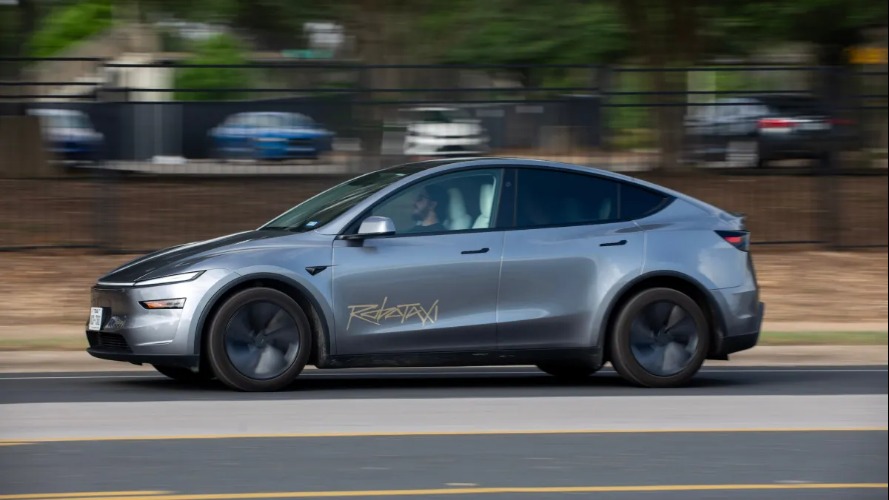
Tesla's push to build a nationwide robotaxi network took another step forward on April 18, 2026, when the company announced it was rolling out its driverless service in Dallas and Houston. The launch, communicated through the official Tesla Robotaxi account on X alongside a short video showing Model Y vehicles operating with no human in the front seats, brings the total number of US cities where Tesla offers robotaxi rides to three, all of them in Texas. The company provided no details on fleet size, pricing, or the precise supervision setup for vehicles in either city.

The expansion follows a service that originally launched in Austin in June 2025, initially with human safety monitors in the passenger seat. Tesla began transitioning away from in-car supervision in January 2026, though the shift has been gradual and uneven. In Austin, the overall geofenced service zone has grown to roughly 245 square miles, but independent observers report that only a small number of vehicles, somewhere between four and twelve Model Ys, have operated without a safety monitor at any given time. The new service areas in Houston and Dallas begin with considerably smaller footprints, approximately 25 square miles in Houston covering parts of the northwest, and a similarly limited zone in Dallas centered around the Highland Park area.

The timing of the announcement drew immediate scrutiny. Tesla's Q1 2026 earnings call is scheduled for April 22, just four days after the launch was announced, and the company's delivery figures for the quarter came in at 358,023 vehicles, below analyst consensus and down from the prior quarter. The robotaxi expansion gives Tesla a high-profile data point for the earnings call at a moment when investor expectations around its autonomous vehicle business are carrying significant weight on a stock that trades at a substantial premium to traditional automakers. On the safety front, Tesla disclosed in a February 2026 regulatory filing that its Austin fleet had been involved in 14 crashes since launch, with 15 reported to the National Highway Traffic Safety Administration by mid-March. Unlike competitor filings, Tesla redacts the detailed narrative descriptions of its incidents in NHTSA submissions.

The competitive context is equally worth noting. Alphabet's Waymo launched fully driverless commercial service in both Houston and Dallas in February 2026, two months before Tesla's arrival in those markets. Waymo currently delivers around 500,000 paid rides per week across more than ten US cities, operates approximately 2,500 active vehicles nationwide, and has set a target of reaching one million weekly rides by year end. Tesla's footprint remains far smaller by comparison, though the company has committed to expanding to Phoenix, Miami, Orlando, Tampa, and Las Vegas before the end of the first half of 2026. Plans for a purpose-built Cybercab, a two-seat vehicle with no steering wheel or pedals, are expected to enter volume production later this year at Tesla's Texas factory.

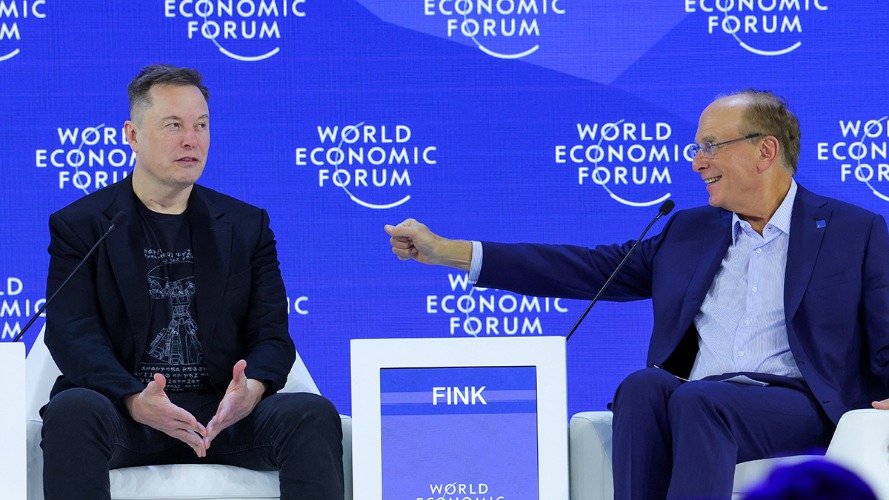
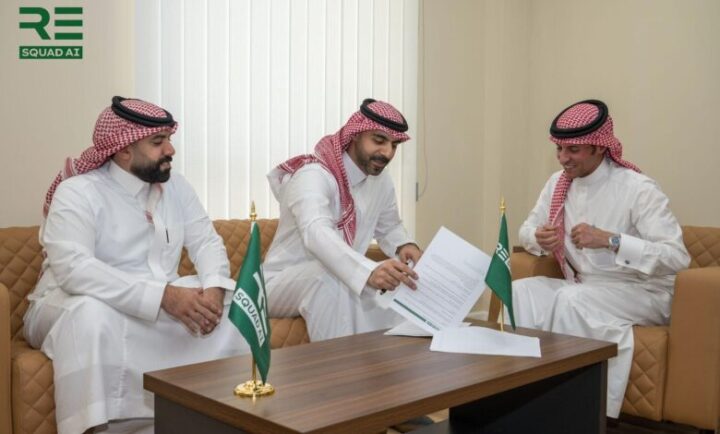
For the MENA region, the Dallas and Houston launch adds momentum to what has already become a closely watched expansion narrative. At the Saudi-US Investment Forum in May 2025, Elon Musk publicly told Saudi Arabia's Minister of Communications that bringing autonomous vehicles to the kingdom would be "very exciting," marking the first direct confirmation of Tesla's regional ambitions. Saudi Arabia is actively building the regulatory and infrastructure groundwork for autonomous mobility as part of Vision 2030, and Chinese AV firm WeRide has already launched a fully driverless robotaxi service at NEOM, the flagship futuristic city project. In the UAE, Musk had indicated in late December 2025 that Full Self-Driving, the supervised system underpinning the robotaxi software, could reach the country as early as January 2026, though a firm rollout timeline has not been confirmed. The Gulf's combination of smart city infrastructure, government appetite for tech investment, and relatively permissive regulatory environments positions the region as a credible candidate for Tesla's international expansion, even as the service itself remains a work in progress at home.

Share:
J

Jace Ryn

Jace Ryn is a reporter at TechScoop covering the MENA tech ecosystem.

View Bio →

Mentioned in This Article

Related Articles

View all →
Advertisement