NeuBird AI closed an oversubscribed USD 19.3 million funding round on April 6, 2026, pulling in a lineup of investors that tells its own story about where the enterprise AI market is heading. The San Francisco-based startup, which builds agentic AI for production operations, saw the round led by Xora Innovation, a Singapore-based investor, with follow-on participation from Mayfield and StepStone Group, alongside Microsoft's venture fund M12, and Prosperity7 Ventures, the diversified venture capital arm of Saudi Aramco. The raise brings NeuBird AI's total funding to approximately USD 63.8 million across three rounds since the company was founded in 2023.
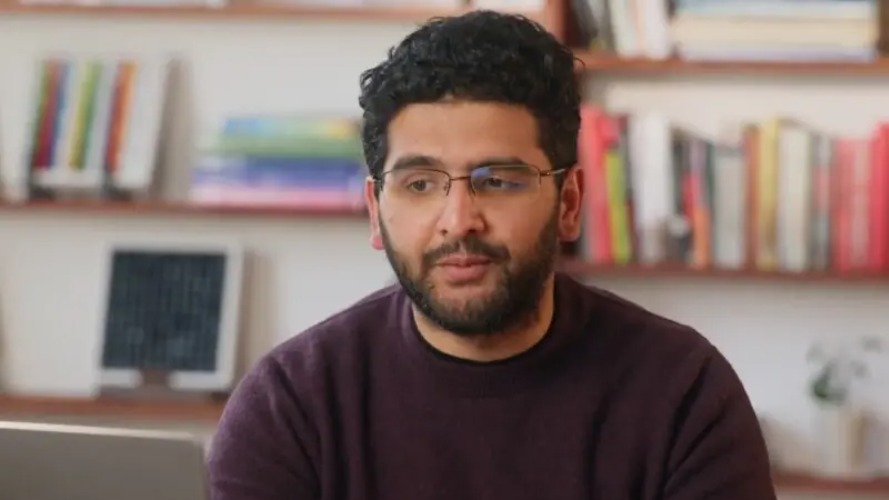
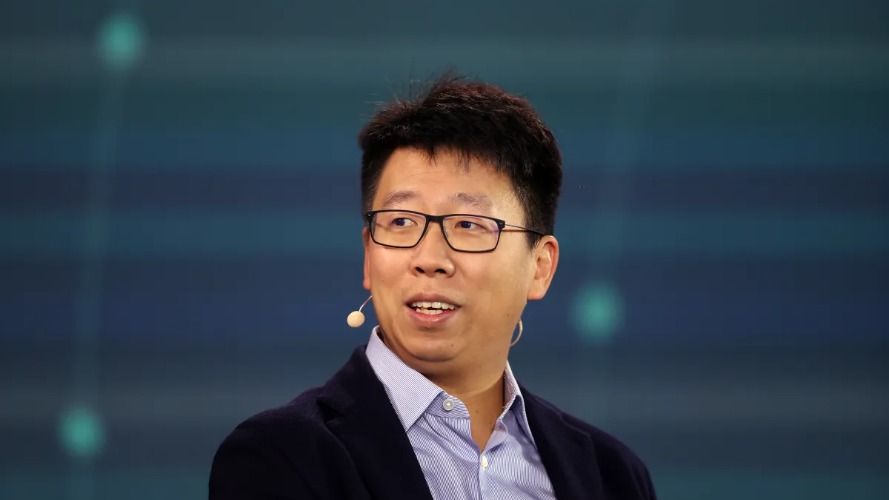
NeuBird AI was co-founded by Goutham Rao, who serves as CEO, and Vinod Jayaraman, who serves as CTO. The pair have a track record that investors in enterprise infrastructure tend to find credible. Before NeuBird, they co-founded Portworx, a cloud-native storage company that Pure Storage acquired in 2019 for USD 370 million. Rao had also previously co-founded Ocarina Networks, acquired by Dell, and Net6, acquired by Citrix. That exit history gave NeuBird an unusually strong starting position for a company still in its early stages.
The company's platform is built around the idea that engineering teams inside large enterprises are spending too much time managing incidents instead of building. According to NeuBird's own 2026 State of Production Reliability and AI Adoption Report, based on a survey of more than 1,000 SRE, DevOps, and IT operations professionals, engineers spend roughly 40% of their time on incident management rather than product development. The same report found that 83% of organizations are juggling four or more tools simultaneously during a live incident, a fragmentation problem that compounds the already significant alert fatigue facing modern ops teams. Alongside the funding announcement, NeuBird AI also launched Falcon, the next-generation engine powering its production ops agent. Falcon moves the platform beyond reactive incident resolution into predictive territory, covering risk detection, infrastructure cost optimization, and continuous system monitoring across cloud, on-premises, and hybrid environments. The previous iteration, Hawkeye, had already demonstrated the ability to cut mean time to recovery by up to 90%, according to the company.