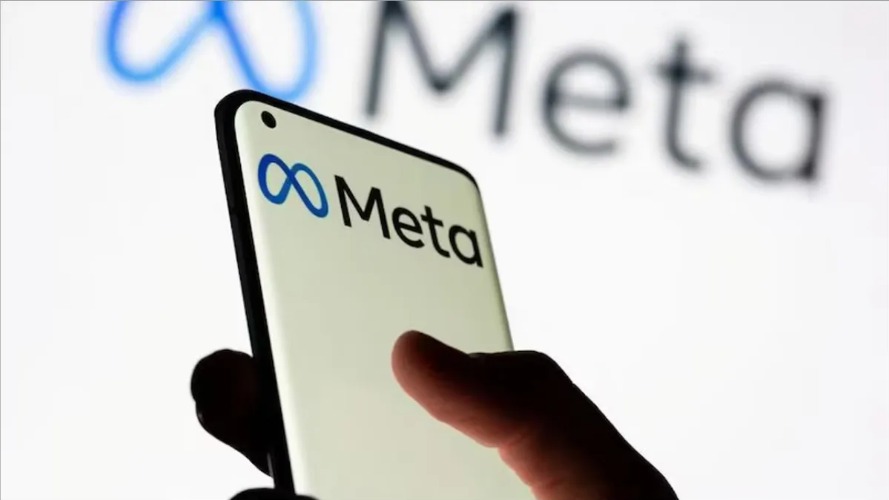
Meta Platforms, Inc. has introduced new measures designed to assist creators on its Facebook platform in combating impersonation and enforcing stricter policies against the widespread sharing of unoriginal content. These updates aim to enhance the integrity of creator content and provide more robust support for individuals who rely on the platform for their livelihood.
The primary enhancement involves a streamlined reporting mechanism for creators to flag accounts that are impersonating them. This new tool, accessible through the Creator Support Hub, allows verified creators to submit reports directly, providing evidence such as links to the infringing profiles. Previously, creators often navigated a more general reporting process, which could be less efficient in addressing specific impersonation issues. This dedicated pathway is expected to expedite the review and removal of fraudulent accounts, protecting creators' identities and intellectual property.
In parallel with these anti-impersonation efforts, Meta is also tightening its policies regarding unoriginal content, specifically focusing on the reposting of videos from other platforms without significant modification or added value. While the platform has long had rules against intellectual property infringement, these new guidelines are intended to reduce the prevalence of content scraped from services like TikTok, which often floods feeds and diminishes the visibility of original creators. Content that is merely reposted without transformative editing or commentary will now face stricter enforcement, potentially impacting its reach and monetization eligibility.
These policy adjustments reflect an ongoing effort by Meta to cultivate a more equitable and sustainable environment for creators on Facebook. By addressing both identity theft and content originality, the company seeks to foster a platform where creators are incentivized to produce unique material and are better protected from those who would exploit their work or identity. The changes are particularly relevant in the Middle East and North Africa (MENA) region, where digital content creation is a rapidly expanding sector, and creators frequently face challenges related to content appropriation and identity misuse.